The patterns printed on greeting cards, as well as the styles of the cards, which are either warm and childlike, or humorous and serious, showcase the changes in the history, culture, and artistic design of a region from different perspectives.
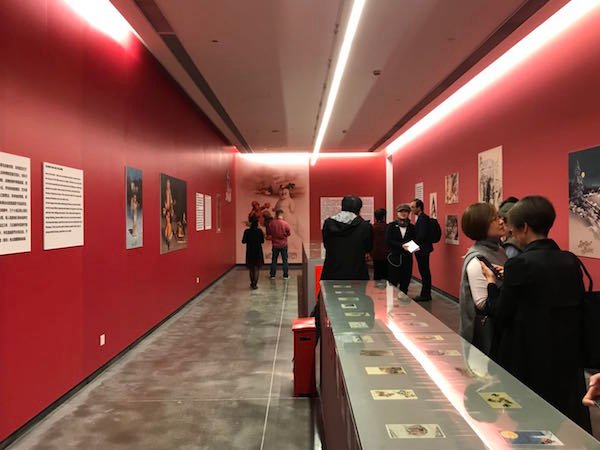
On November 5, 2019, “My Best Wishes——A Special Exhibition on the History of European Greeting Cards and Postcards Over a Century” opened at the Shanghai Minsheng Art Museum. The exhibition brings together approximately 290 original Christmas and New Year greeting cards from European regions spanning over 130 years from the end of the 19th century to the present. It showcases the century-long history of industrial and cultural development in Croatia and neighboring countries, as well as the evolution of customs related to traditional European festivals.
The Paper has learned that this exhibition is co-hosted by the Shanghai Minsheng Art Museum, the Zagreb Museum of Arts and Crafts in Croatia, and the Sino-Croatian Economic and Cultural Cooperation Association. It is also the collaborative exhibition launched again by the Shanghai Minsheng Art Museum in partnership with outstanding foreign museums after its relocation to the new venue.
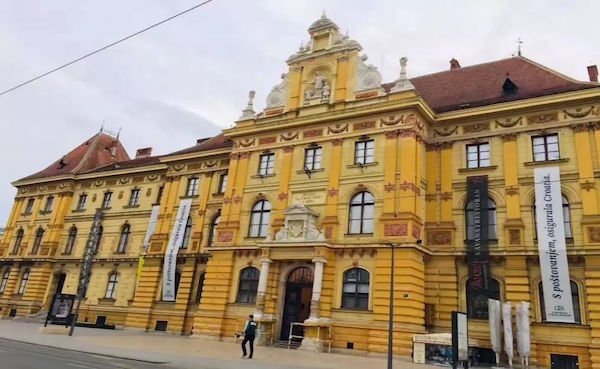
The Museum of Arts and Crafts in Zagreb, Croatia is located in the center of Zagreb, the capital of Croatia. Founded in 1880, it is the oldest and largest national museum in Croatia, and also the first palace building in the country specifically designed for a museum. Meanwhile, the museum houses exquisite arts and crafts from Croatia and neighboring countries.
Reporters learned that this exhibition is the first time that the Museum of Arts and Crafts in Zagreb, Croatia has exhibited these ancient greeting card and postcard collections in Asia. It not only showcases the modern and contemporary postcard designs in Europe, especially in Croatia, but also presents to the audience the evolution of traditional New Year’s etiquette in Europe over the past 130 years.
Museum director Miloslav Gasparić lamented, “Postcards and greeting cards tell the story of an era, depicting a warm family atmosphere in Croatia during Christmas and New Year in the past. And I believe that such a form was also the case in China. More than a decade ago, this was a way to express blessings, but now, this method is rarely used and is gradually being forgotten.”
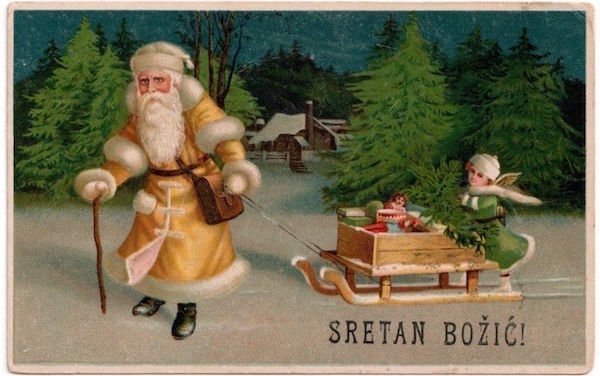
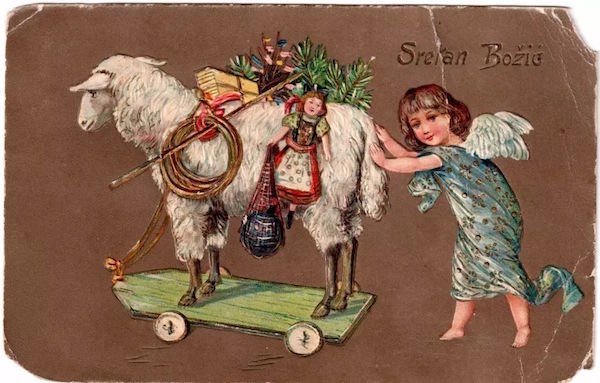
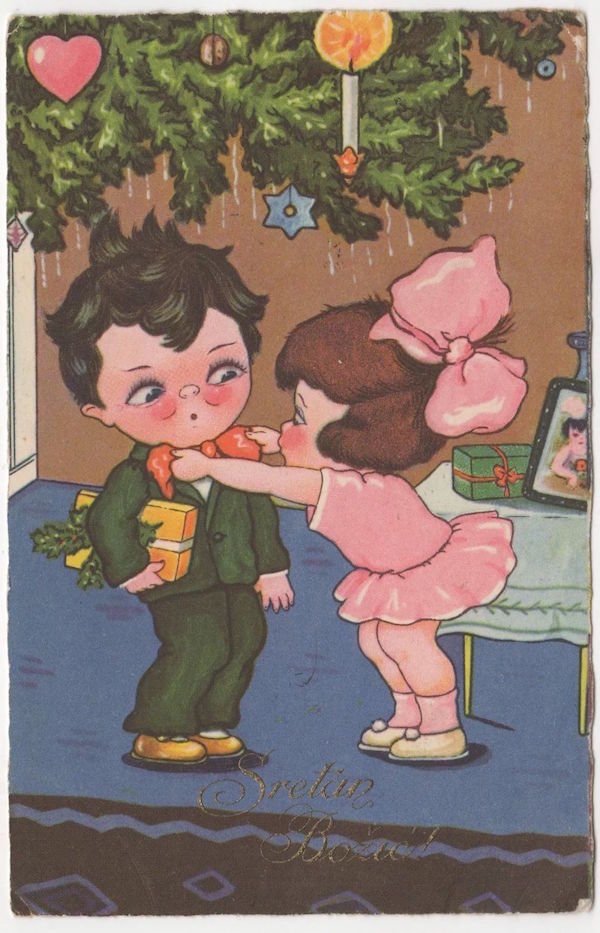
This part of the greeting cards is filled with traditional elements that hold symbolic significance in Christmas and New Year celebrations. They vividly showcase the festive customs of celebrating Christmas and New Year in Europe, especially in Croatia, as well as the rich humanistic meanings contained within them.
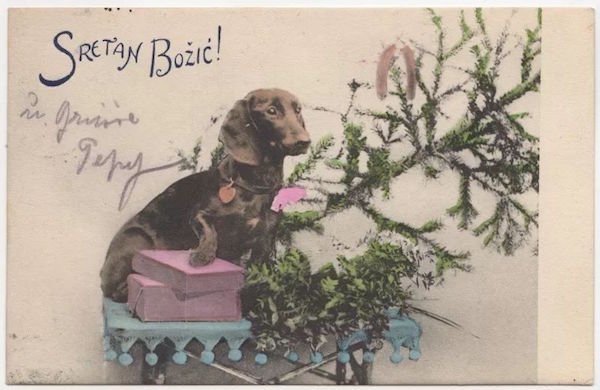
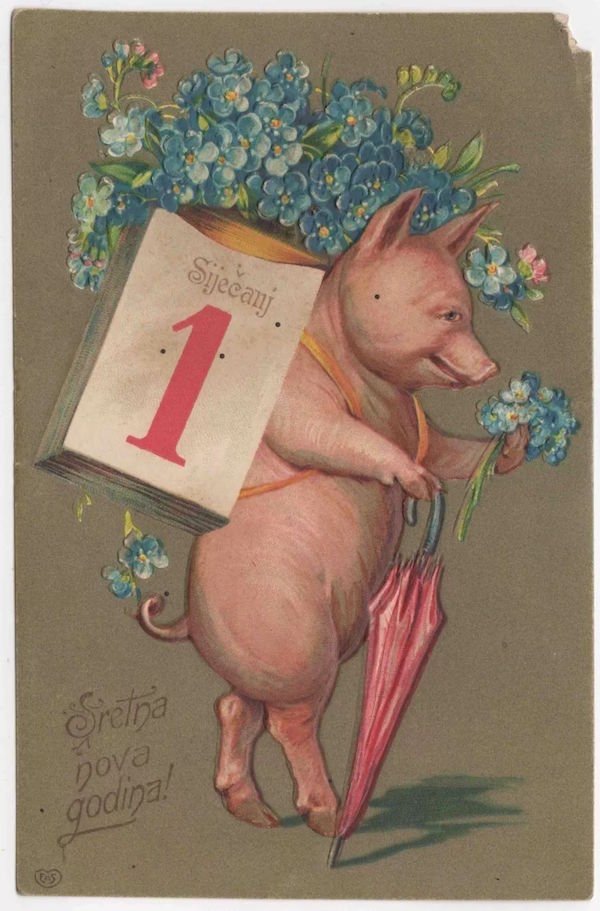
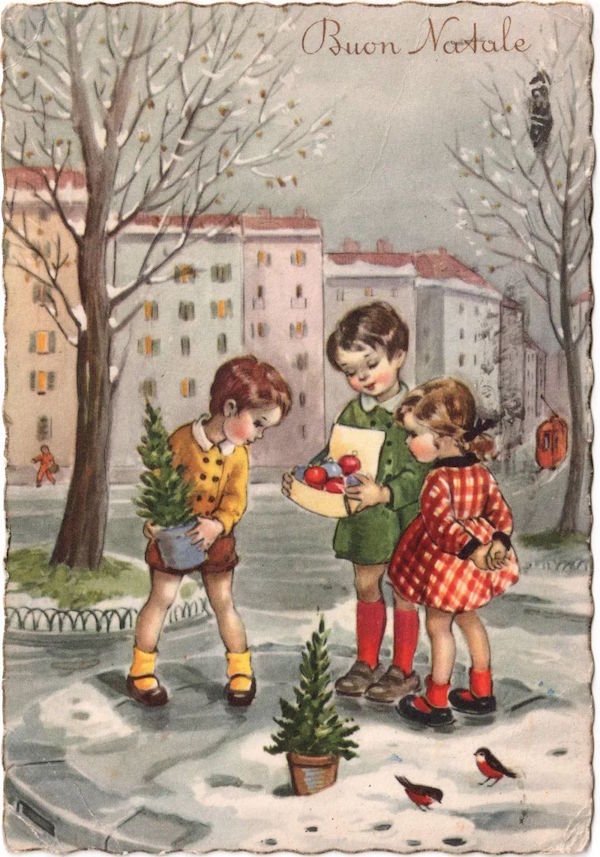
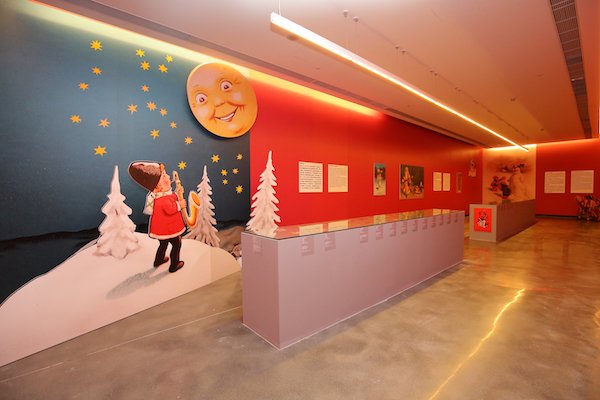
Furthermore, the developing photography technology at the end of the 19th century also promoted the advancement of printing technology and graphic design. Europeans during this period directly used photos as the content of greeting cards, reflecting the impact of technological development on daily life and traditional culture. Children, as the future hope of families, became the main subjects of photo greeting cards. The exhibition hall also specially set up an immersive experience space for visitors, which truly reproduces the scenes in the greeting cards. Through taking photos, the interactive time during the visit once again becomes a replication and continuation of history.
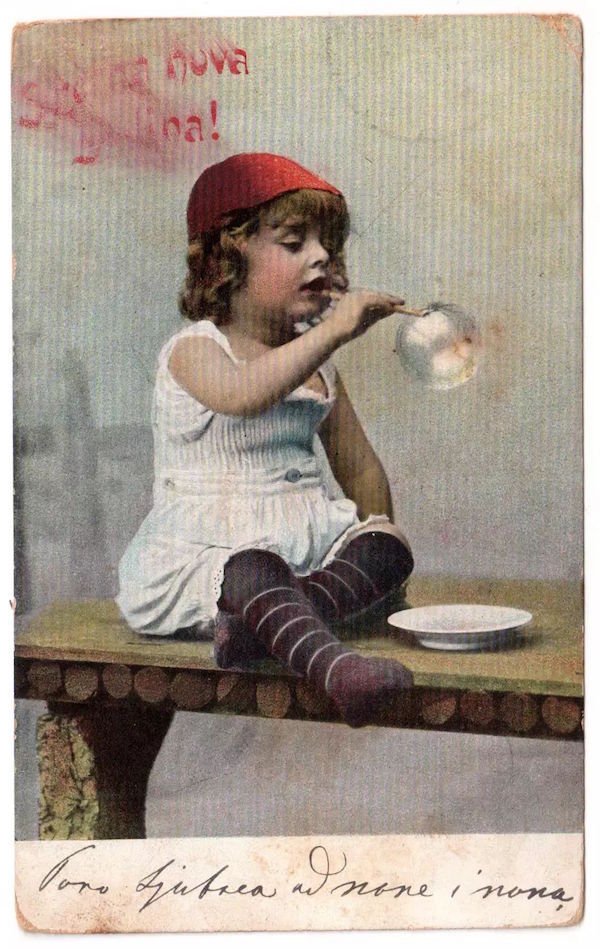
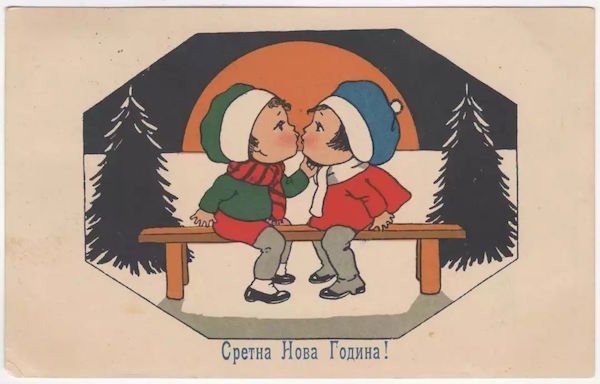
The exhibition curator, Dunja Nekić, told reporters that there are actually many stories behind each greeting card.
Before World War II, these greeting cards were more representative of individuals, while in the second part, the post-World War II period, they are more about stories of greeting cards between institutions. In the second part of the exhibition, the display area for modern and contemporary Croatian greeting cards presents the period from after World War II to the present. With the development of design and consumption, the production of greeting cards has become increasingly commercialized, and their commercial use has become more and more important. All the greeting cards from this period are from Croatia, mostly commissioned by factories or independently produced by designers, and used for business communication and corporate publicity and promotion. Modern enterprises try to display the company’s good image, product characteristics and corporate culture in the design of greeting cards. Therefore, in addition to expressing blessings, these greeting cards also record the history of Croatia’s industrial development.
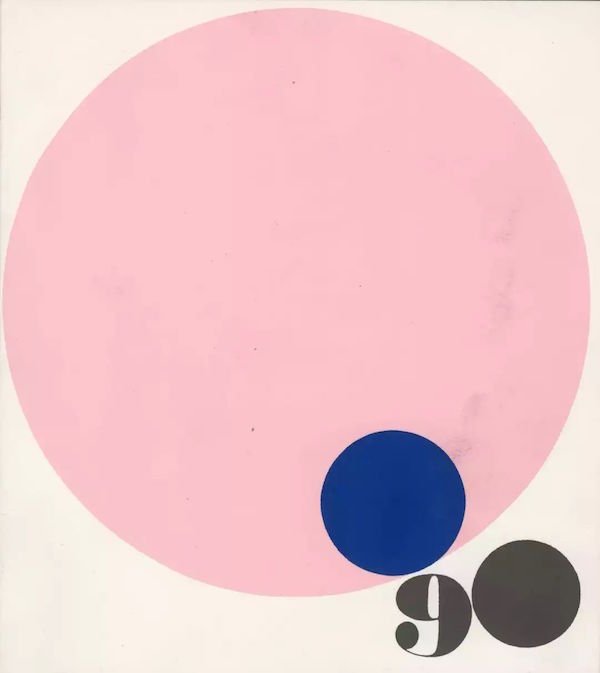
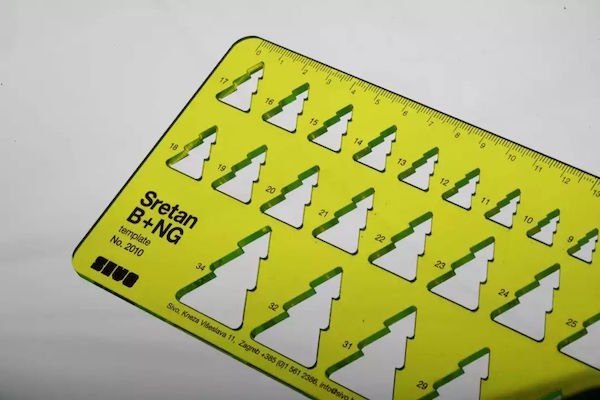
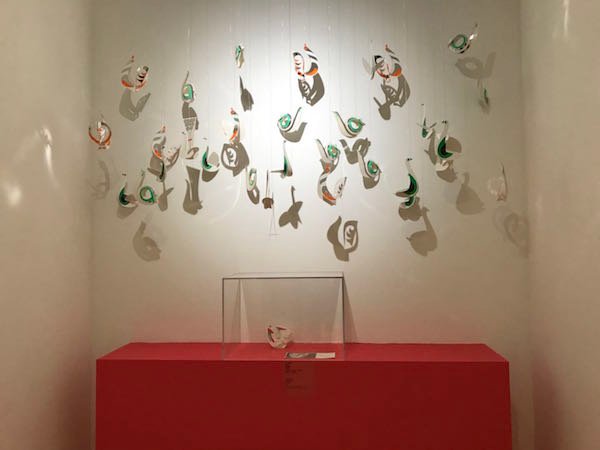
With the development of the modern advertising industry, the works of this period clearly emphasized a sense of design more prominently. In terms of expressive forms, they were influenced by modernist artistic styles such as surrealism, abstract expressionism, and pop art. In terms of production techniques, letterpress printing and screen printing were employed, which enriched the color tones of the greeting cards and endowed them with stronger expressiveness, reflecting the excellent quality of Croatia’s advertising and printing industries. In the later stage of the development of commercial greeting cards, renowned designers from the advertising industry demonstrated their creativity and the boundless potential of paper art through greeting card designs.
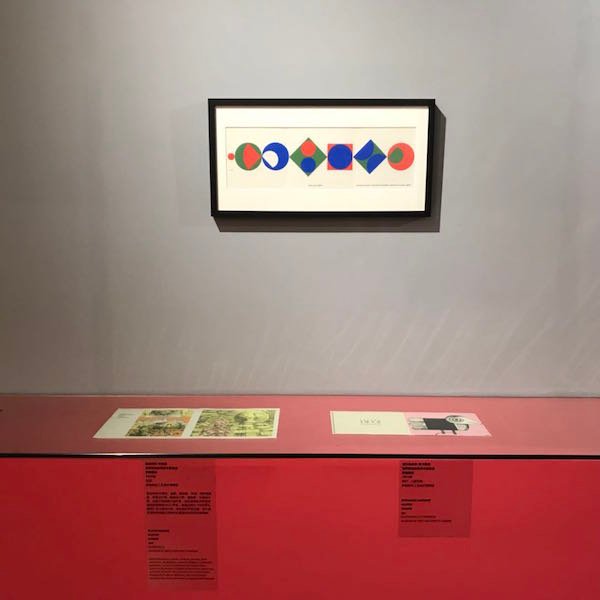
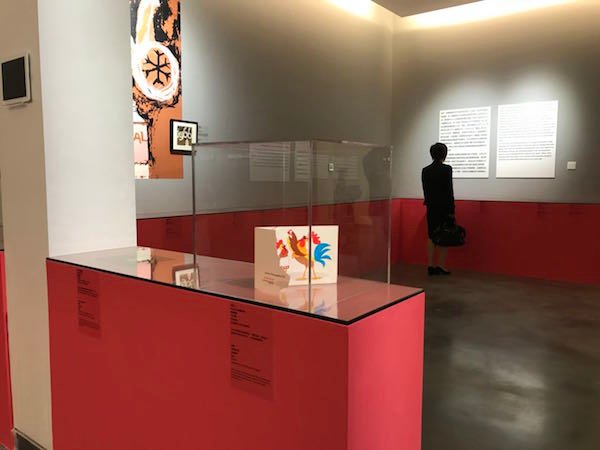
At the exhibition, visitors can see how greeting cards, beyond carrying personal blessings, have developed their unique trajectory under the background of accelerating commercialization and industrial development, as well as under the influence of various modernist artistic styles. It is understood that this exhibition marks the first time that the Museum of Arts and Crafts in Zagreb, Croatia, has displayed these collections of ancient and modern greeting cards and postcards in Asia. It not only fully demonstrates the development of greeting card and postcard design in Europe, especially in Croatia, but also presents to the audience the evolution of Christmas and New Year festival traditions and etiquettes in Europe over the past hundred years or so.
In a humorous, enthusiastic and lively manner, it opens a window for the audience to approach the development of Western art and design. Through this window, we can glimpse the multiple dimensions in which art and design intervene in life, and further understand Croatia and Europe.